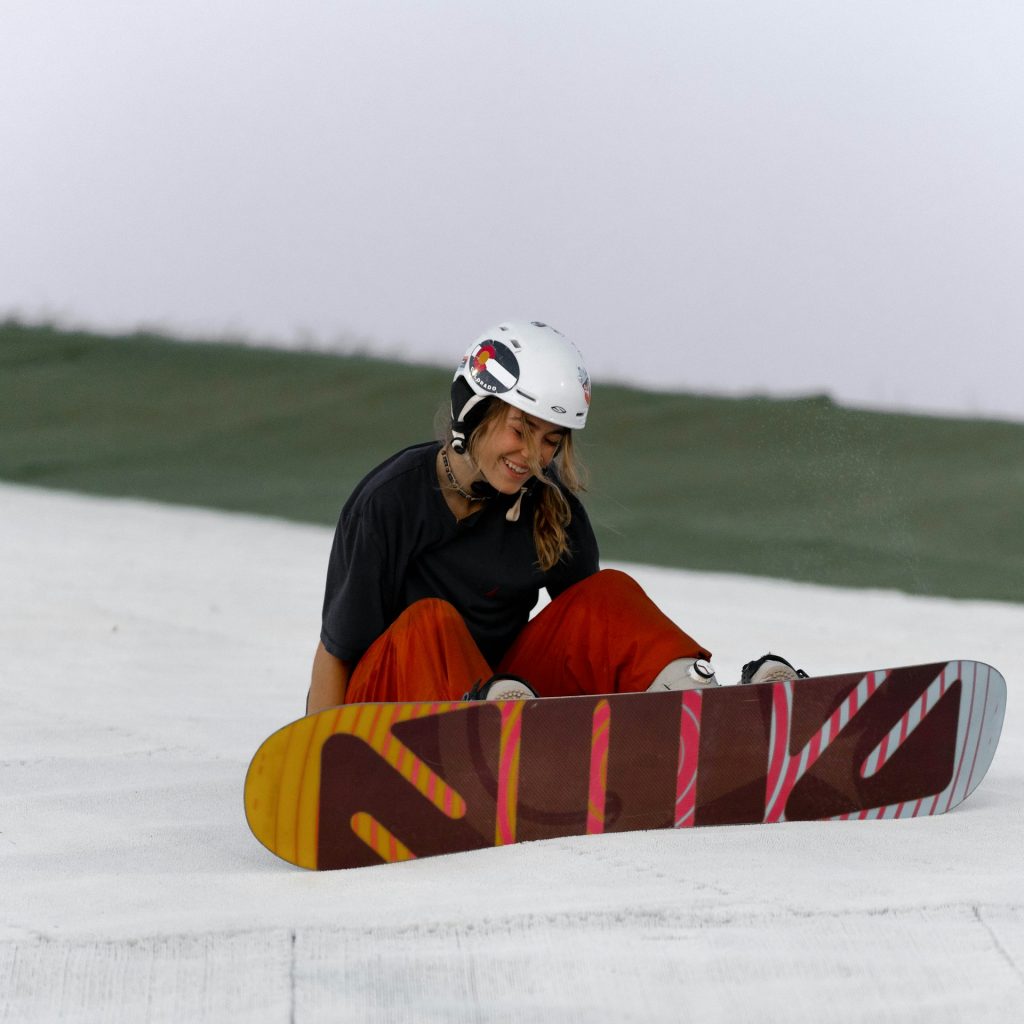
Let’s be real—picking the right snowboard size as a woman isn’t just about grabbing the one that looks cute or matches your jacket. It’s about control, confidence, and actually enjoying your ride.
As a former shop tech and instructor, I’ve seen way too many women riding boards that didn’t suit their size, style, or goals—usually because someone told them to just “go by height.” That’s a great way to end up with a board that feels like a plank or a pool noodle. We’re not doing that here.
This guide breaks down snowboard sizing for women from a (female) rider who’s been there—whether you’re carving groomers, chasing powder, or finally dropping into the park.
What Actually Affects Women’s Snowboard Size?
- Weight: This is #1. It determines how the board flexes under you.
- Height: Helpful for dialing in length, but secondary.
- Boot size: Affects board width—too narrow = toe drag.
- Riding style: Freestyle? Powder? All-mountain? This changes what you want in length, flex, and shape.
- Skill level: New riders benefit from a slightly shorter, softer board.
Women’s Snowboard Size Chart (By Weight)
Use this as your base guide. Then tweak depending on your style and terrain.
| Rider Weight (lbs) | Recommended Board Length (cm) |
|---|---|
| 90 – 110 | 130 – 138 |
| 110 – 130 | 135 – 142 |
| 130 – 150 | 140 – 148 |
| 150 – 170 | 145 – 152 |
| 170 – 190 | 150 – 155 |
| 190+ | 153+ |
💡 Tip: If you're in between sizes, think about your terrain. Park or beginner? Go shorter. Powder or carving? Go longer.
Width Matters—Especially With Smaller Feet
Most women’s boards are narrower than men’s, which is great—less edge-to-edge lag, and better boot fit. Still, it’s worth checking waist width if your boots are US 9 or above.
| Boot Size (US Women’s) | Recommended Waist Width |
|---|---|
| 5 – 6 | 230–240 mm |
| 6.5 – 7.5 | 235–245 mm |
| 8 – 9 | 240–250 mm |
| 9.5+ | 245–255 mm (mid-wide) |
🚫 Too narrow? You’ll drag toes in deep carves.
🚫 Too wide? Turning feels sluggish—like driving a tank in powder.
Riding Style = Sizing Tweaks
🏂 Freestyle & Park
- Go shorter (2–5cm below your all-mountain size)
- Softer flex helps with presses, butters, and forgiveness on landings
- True twin shape for switch tricks
🌄 All-Mountain
- Stick to your regular size based on weight
- Medium flex for stability + maneuverability
- Directional twin = best of both worlds
❄️ Powder / Freeride
- Go longer (2–5cm up)
- Stiffer flex = more control at speed or in chop
- Directional or tapered shape helps you float without back leg burn
Flex Tips (For Women)
Flex is how soft or stiff the board feels. Lighter riders often do better on softer boards—unless you’re riding fast and steep regularly.
- Soft (1–3): Easy to turn, forgiving. Great for beginners and park riders.
- Medium (4–6): Best all-mountain option. Holds an edge without being twitchy.
- Stiff (7+): Stable and powerful, but can feel like wrestling a 2x4 if you're not used to it.
Can Women Ride Men’s Snowboards?
Yep—but they’re usually stiffer and wider. If you’re a strong rider with size 9+ boots or prefer a burlier ride, go for it. Just make sure it fits your weight and boot size.
Common Mistakes (I’ve Seen A Lot Of These...)
- Only going by height: Weight is the better sizing factor.
- Buying too stiff: You’ll hate learning on it. It’s not "leveling up"—it’s just painful.
- Sizing up “to grow into it”: Doesn’t work. Makes learning harder and less fun.
- Going too wide: Wide boards aren’t automatically better. Only go wide if your boots need it.
Final Thoughts From A Fellow Rider
I’ve spent years helping women get dialed into the right boards—and I’ve ridden plenty that didn’t suit me too. The right size makes a massive difference in how much fun you have out there.
Start with your weight, factor in your boots and style, and don’t be afraid to size up or down a few cm depending on where you ride. That’s the real trick—not just “what size is right,” but “what size is right for you.”
Still unsure what size you need? Use our snowboard size calculator to get a personalized recommendation in seconds.